
Loading...
You know that feeling when you walk into a small kitchen that just looks... intentional? Like someone actually thought about every inch of it, and somehow it feels bigger, more polished, and way more functional than it has any right to be? That is not luck, and it is definitely not always a big renovation budget. Most of the time, it comes down to a handful of smart, targeted upgrades that work together to create that custom-built illusion. If your tiny kitchen feels like an afterthought right now, you are in the right place. These nine upgrades are practical, budget-friendly, and the kind of thing you will want to pin immediately because they genuinely transform the way a small kitchen looks and feels.
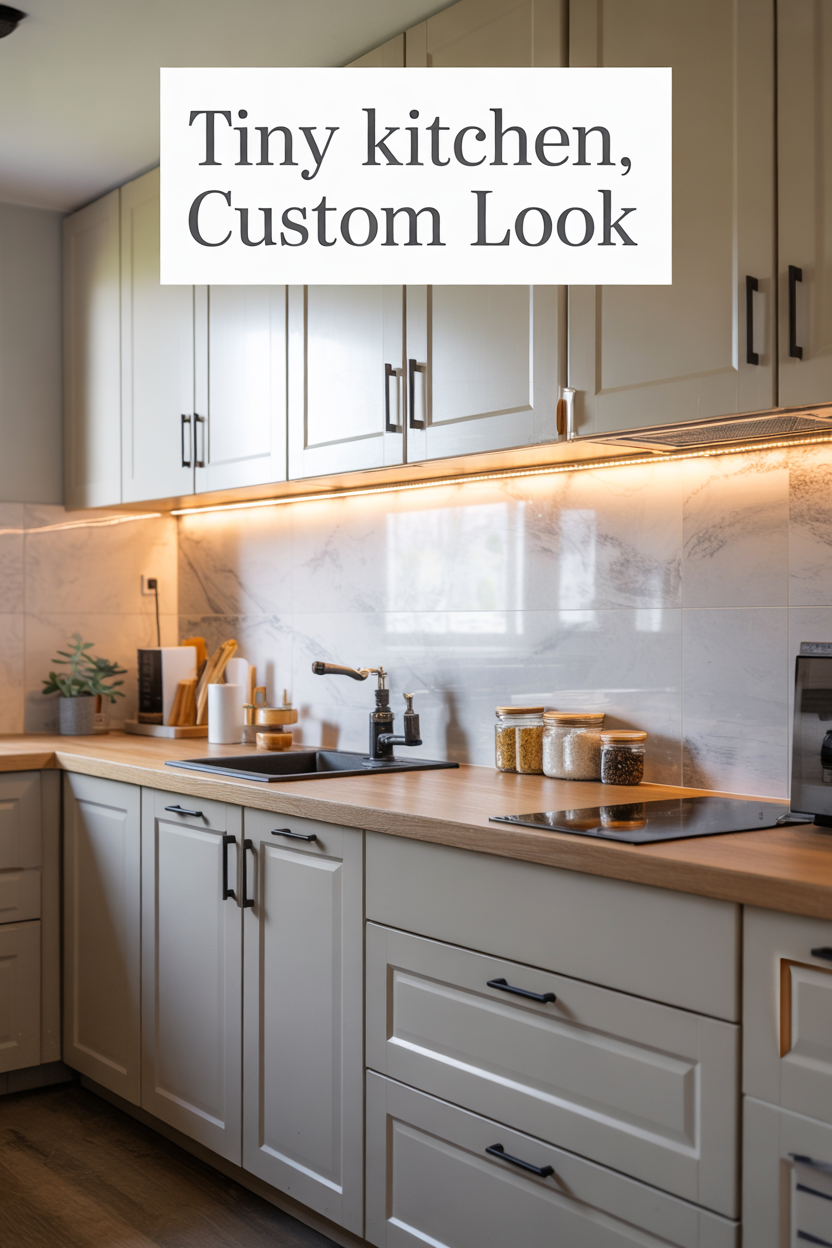
1. Swap Out Cabinet Hardware for a Cohesive, High-End Feel
This is one of the lowest-effort, highest-impact upgrades you can make, and it costs almost nothing compared to what it delivers. Outdated brass knobs or those generic silver pulls that came with your rental can make even nice cabinets look tired. Replacing them with matte black bar pulls, brushed brass cup handles, or ceramic knobs in a consistent finish pulls the whole kitchen together instantly. It is the kind of detail that makes guests assume you renovated the entire space when really you just spent an afternoon with a screwdriver.
When choosing hardware, stick to one finish throughout the entire kitchen, including the faucet if you can swing it. Mixing metals is a design trend, but in a tiny kitchen it can quickly feel cluttered rather than curated. Matte black is especially popular right now in 2026 because it reads as modern and intentional without being cold. If your kitchen leans warmer or more cottagecore, brushed gold or aged brass gives that same custom look with a cozier energy. Budget around fifteen to thirty dollars total for most small kitchens, and you will be genuinely shocked at the difference.
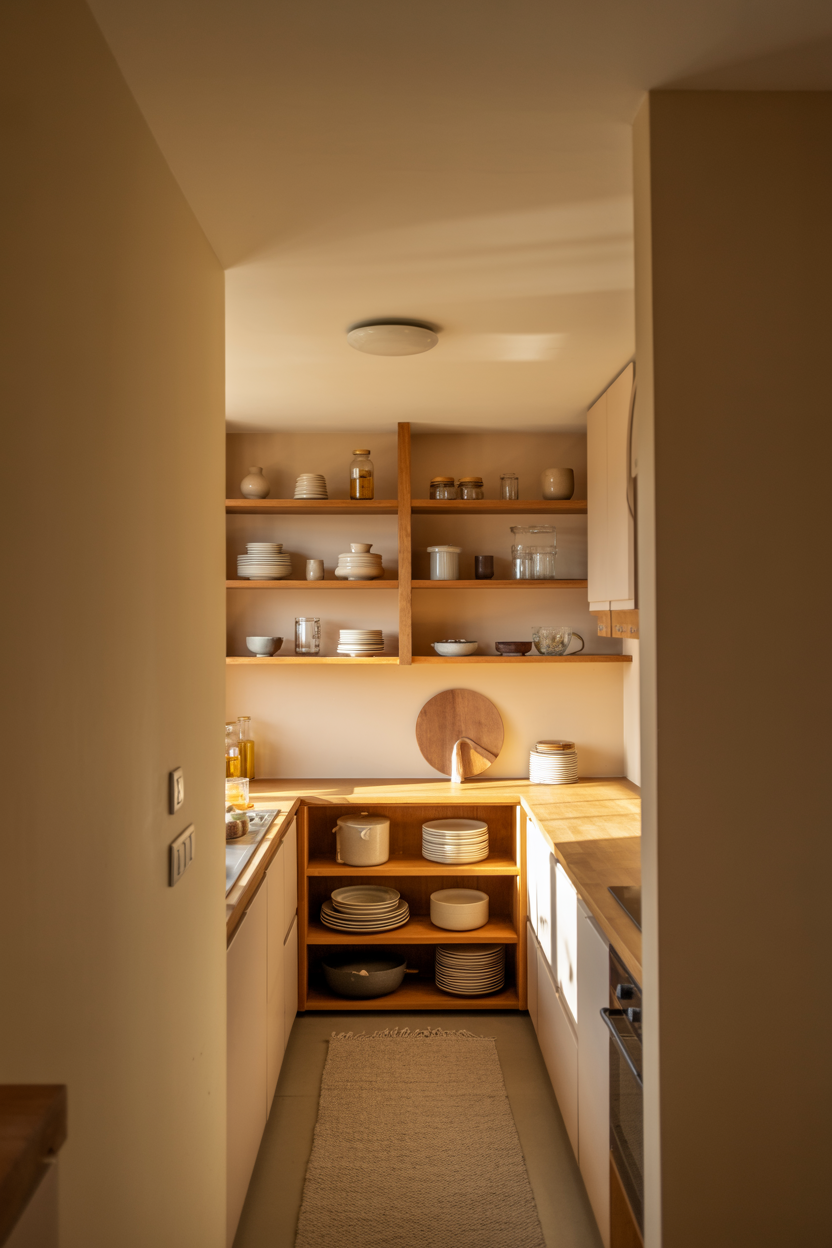
2. Add Open Shelving to Break Up a Boxy Layout
Replacing one or two upper cabinets with open wooden shelves does something almost magical to a small kitchen. It creates visual breathing room, makes the ceiling feel higher, and gives you a spot to display the things that actually make the space feel like yours. Think a row of matching ceramic mugs, a couple of small plants, a wood cutting board leaned against the wall, and your most-used spices in matching jars. Suddenly your kitchen looks like it belongs on a design blog rather than in a standard apartment complex.
You do not have to remove cabinets to pull this off, either. Floating shelves installed on an empty wall or above the counter in a breakfast bar area work just as well. Use thick wood brackets with a contrasting metal bracket for that built-in feel, or go with floating shelf hardware that hides inside the shelf for a truly seamless look. The key is keeping what you display intentional. This is not the place for the miscellaneous pile of stuff that usually lives on your counter. Styled open shelves say custom kitchen. Cluttered open shelves say thrift store. Keep it curated and the whole room elevates.
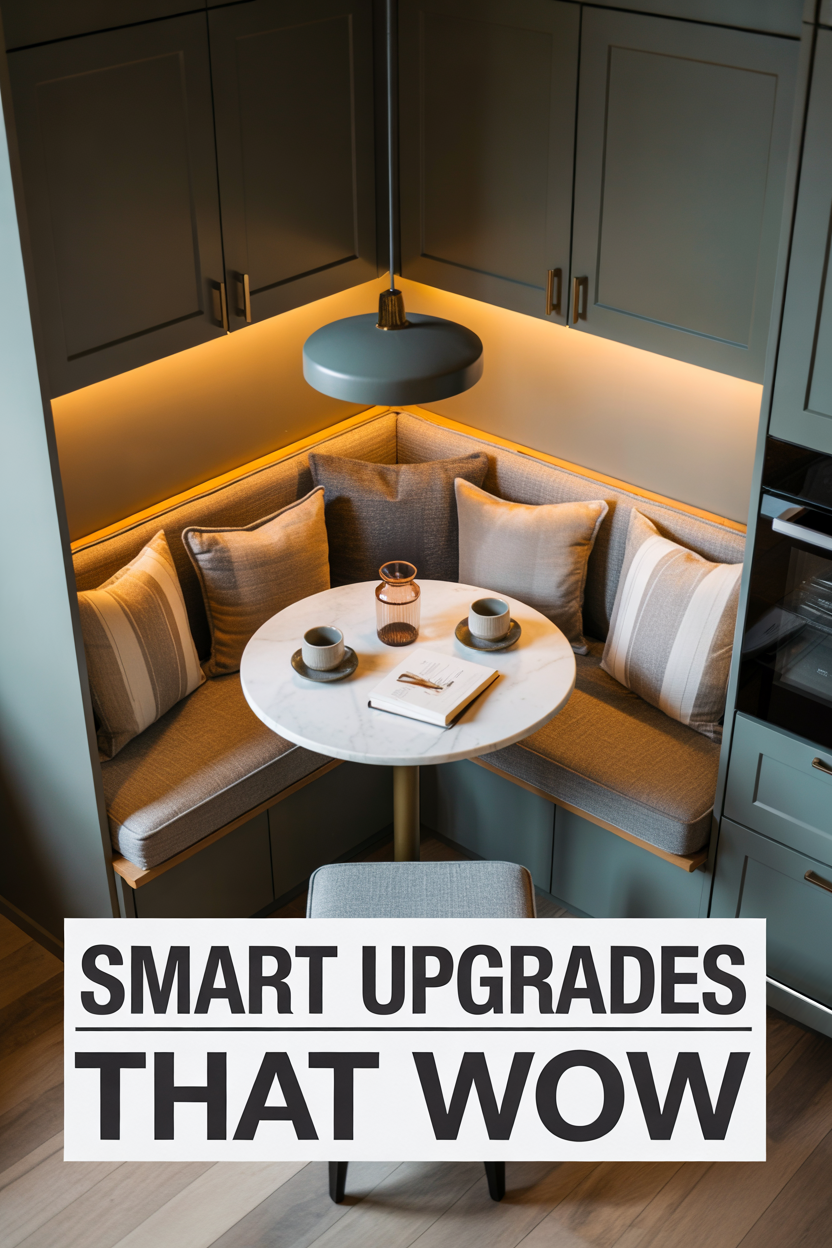
3. Create a Cozy Built-In Breakfast Nook with Hidden Storage
If your kitchen has even a small corner or awkward nook space, turning it into a built-in style breakfast area is one of the most satisfying upgrades on this list. It looks incredibly custom, adds seating without eating up floor space, and when done with bench seating that has a hinged lid, you gain a surprising amount of hidden storage underneath. This is the kind of spot that makes your kitchen feel like a home rather than just a place to cook. Add a small cushion in a neutral linen, a throw pillow, and a tiny table that tucks in, and you have a morning coffee corner that feels genuinely cozy.
You can achieve this look without building anything from scratch. IKEA hack versions using KALLAX units or simple base cabinets topped with a custom cushion are incredibly popular and look far more expensive than they are. Paint everything to match your existing cabinets and the nook will look like it was always part of the original design. If you are renting, a freestanding bench with the same finish as your other furniture pieces placed strategically in a corner achieves nearly the same visual effect without any commitment.
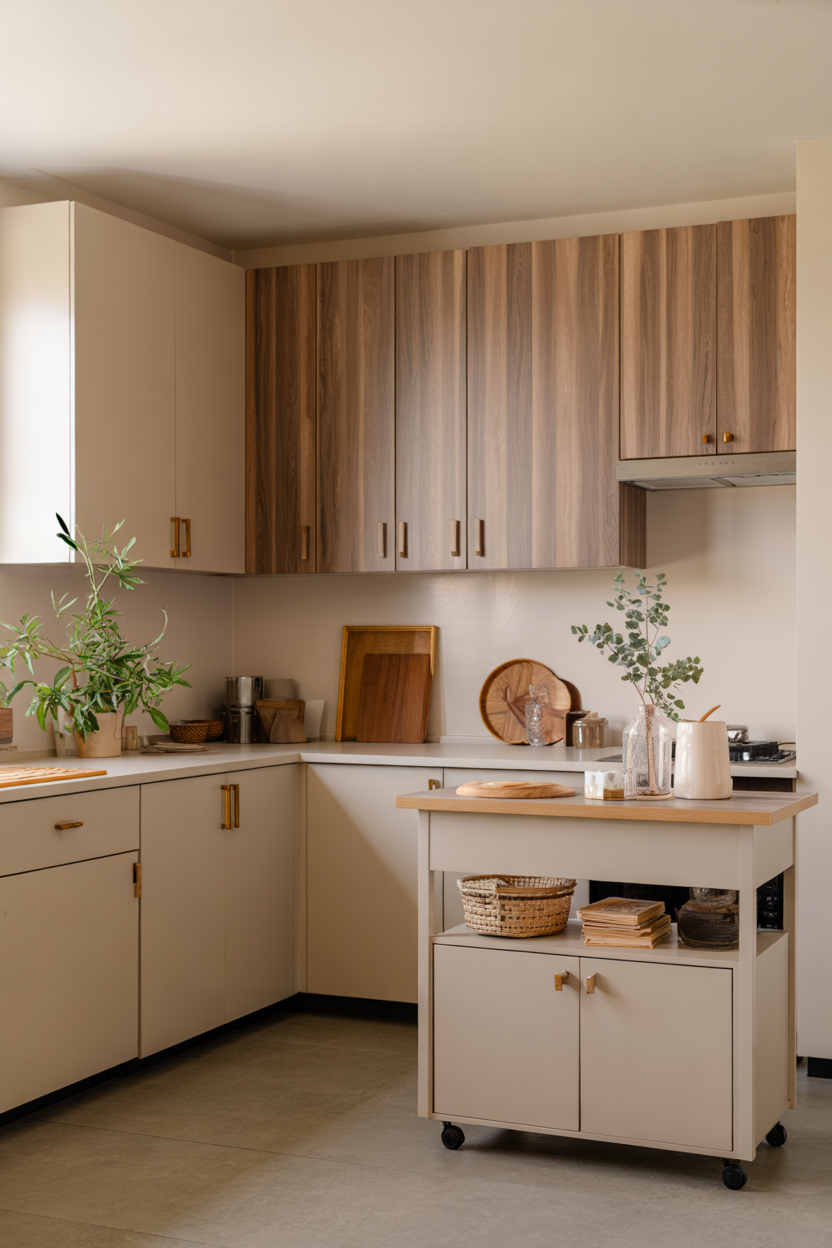
4. Paint or Reface Cabinets and Add a Rolling Island
If your cabinets are in decent structural shape but look worn or dated, painting them is one of the best returns on investment in any home improvement project. A fresh coat of a deep navy, warm sage green, or classic white with a satin finish completely resets the room. Pair this with your new hardware from tip one and you genuinely have a kitchen that looks like someone paid thousands for a custom cabinet installation. Use a good bonding primer first and do not skip the sanding step or the paint will chip within months. Done right, painted cabinets hold up beautifully for years.
Adding a small rolling island alongside fresh cabinets is the finishing touch that makes the layout feel designed. A butcher block top rolling cart gives you extra prep space, extra storage, and the flexibility to move it out of the way when you need floor space. This is especially useful in galley kitchens where counter space is almost nonexistent. Choose a cart that matches or complements your cabinet color, and it will look like it was always meant to be there rather than an afterthought. Many options on Amazon or from IKEA land well under a hundred dollars and look genuinely great in small kitchens.
5. Install a Peel-and-Stick Backsplash That Looks Like the Real Thing
A backsplash is one of those details that immediately signals whether a kitchen was designed with care or just thrown together. The great news is that in 2026 the peel-and-stick options available look genuinely convincing. Marble-look subway tiles, zellige-inspired handmade looks, and even realistic brick patterns are all available in renter-friendly peel-and-stick formats. Installing a backsplash behind your stove or along the full counter line takes a few hours and costs a fraction of real tile, but the visual payoff is enormous.
Choose a pattern that coordinates with your countertops and cabinet color rather than competing with them. If your kitchen is already a lot going on, a simple white or light grey subway tile brings calm and cohesion. If everything is neutral and you want some personality, a bold graphic tile pattern or a warm terracotta look adds that custom touch without overwhelming the space. Just make sure to measure carefully and clean your wall surface thoroughly before applying so the tiles adhere properly and stay flat over time.
6. Upgrade Your Lighting to Make the Space Feel Larger and More Intentional
Lighting is one of the most underrated upgrades in a small kitchen, and bad lighting can make even a well-designed space feel dull and cramped. If you are stuck with a single overhead fixture throwing flat light onto everything, adding a few targeted layers will completely change the atmosphere. Under-cabinet LED strips are an easy plug-in option that adds warm task lighting along the counter and makes the whole kitchen feel more polished. Battery-powered puck lights work if you cannot access an outlet easily.
If you can swap out the overhead fixture, a simple pendant light or a flush-mount with a bit of design interest makes the kitchen feel curated rather than generic. Look for fixtures that coordinate with your hardware finish for that custom-built continuity. Warm white bulbs around 2700K create a calming and inviting atmosphere, while cooler bulbs can feel clinical in a small space. Good lighting is one of those things you do not notice when it is done right, but you absolutely feel it every time you walk into the room.
7. Use Matching Containers and Vertical Storage to Eliminate Counter Chaos
One of the biggest reasons small kitchens do not look custom is visible clutter. Mismatched containers, a cluster of appliances fighting for counter space, and random items piling up make even a beautiful layout look chaotic. Switching to matching canisters for your most-used dry goods, storing things vertically wherever possible, and being ruthless about what actually needs to live on the counter will make an immediate visual difference. This is less about buying new things and more about organizing what you already have in a way that looks intentional.
Magnetic knife strips mounted on the wall, pot racks that hang from the ceiling or the inside of cabinet doors, and stackable pantry organizers all help you reclaim counter space without sacrificing accessibility. When everything has a place and those places are visually consistent, the kitchen reads as designed. Add a small herb garden in matching ceramic pots on the windowsill or counter edge for a touch of life and personality that feels both functional and beautiful. It is the kind of detail that makes people assume you hired an interior decorator.
8. Apply a Fresh Coat of Paint to Walls and Trim in a Strategic Color
Color does a lot of heavy lifting in a small kitchen. Painting your walls a shade that creates contrast with your cabinets rather than blending into them adds depth and makes the space feel more layered and intentional. If your cabinets are white or light wood, a warm greige or a soft terracotta on the walls grounds the room without darkening it. If your cabinets are darker, a creamy off-white or a light sage on the walls keeps things from feeling closed in while still feeling cozy.
Do not forget the trim. Crisp white or slightly warm white trim painted carefully around windows, doors, and baseboards gives the kitchen that polished, finished look that builders usually skip in standard apartments. It sounds minor but clean, freshly painted trim is one of the details that separates a space that looks generic from one that looks genuinely considered. If you are in a rental, check your lease and keep a can of the original wall color on hand so you can touch things up before moving out.
9. Add Crown Molding or Filler Strips Above Cabinets for a Built-In Look
The gap between the top of your upper cabinets and the ceiling is probably the number one thing making your kitchen look like a standard rental rather than a custom build. Closing that gap with simple crown molding or even MDF filler strips painted to match the cabinets instantly makes the cabinetry look like it was built specifically for your space. It is a detail that high-end kitchen designers use in every project, and it reads as expensive even when the materials cost almost nothing.
If full crown molding feels intimidating, start with a simple flat filler strip cut to fit the space and caulked for a seamless look. Paint it the same color as your cabinets and step back to appreciate how much taller and more intentional the room suddenly looks. For renters who cannot make permanent changes, extra-tall peel-and-stick panels or even styling the top of the cabinets with coordinating baskets and a few trailing plants achieves a softer version of the same effect. Either way, addressing that awkward gap above the cabinets is the kind of finishing touch that ties every other upgrade together.
Tiny kitchens have a way of making you feel like your options are limited, but as you can see, even small and budget-conscious changes can completely shift the way a space looks and feels. You do not need to gut the room or spend thousands to get that custom-built look. Pick two or three of these upgrades to start with, ideally ones that work together visually like new hardware plus painted cabinets plus a backsplash, and build from there. By the time April rolls around, your kitchen could look like something you would actually save on Pinterest yourself. Share your before and after in the comments if you give any of these a try, because honestly, those transformations never get old.