
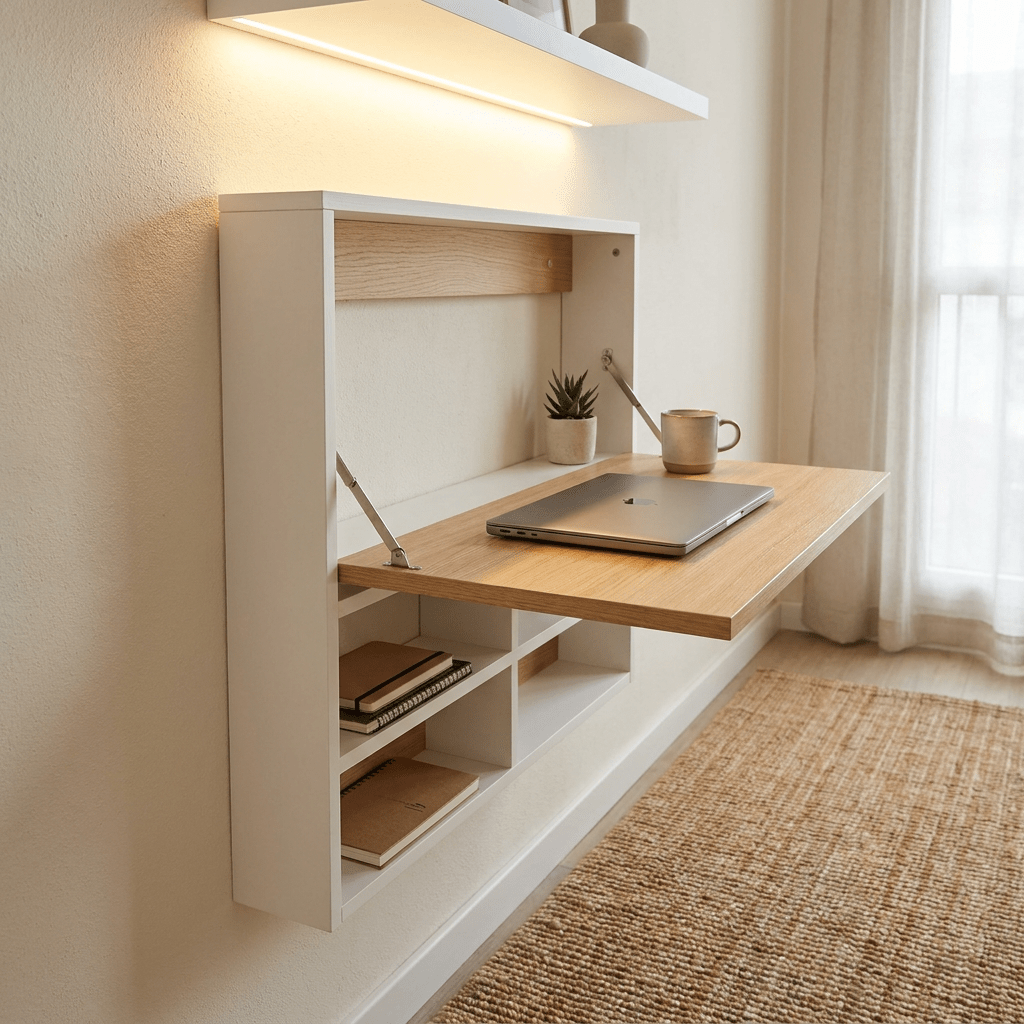
Your workspace has a bigger effect on how you think, create, and feel throughout the day than most people give it credit for. When the desk is a corner of the dining table covered in yesterday's mail, or a laptop balanced on a sofa cushion because there is genuinely nowhere else to put it, the mental shift into focused, creative work mode becomes harder than it needs to be. The good news is that a tiny apartment does not need a dedicated home office room to have a desk setup that actually inspires you. What it needs is the right combination of smart furniture choices, intentional styling, and a few specific details that make the space feel like somewhere worth sitting down at every morning. These eight desk setup ideas are all designed specifically for small apartments, which means they work within tight footprints, make use of awkward corners and overlooked wall space, and still manage to look genuinely beautiful and creativity-sparking rather than like a compromise assembled out of whatever was left over.
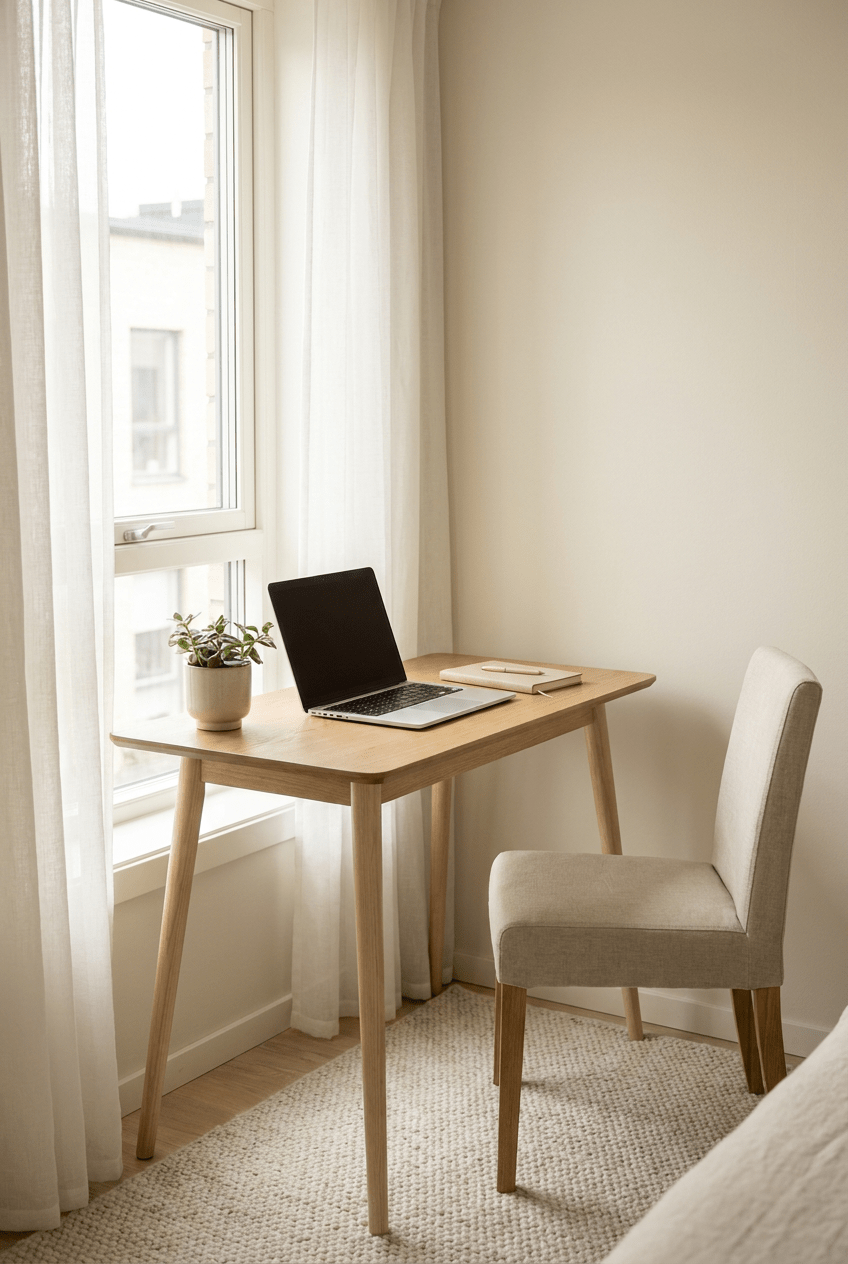
1. The Window-Facing Minimal Desk for Natural Light and Focus
If your apartment has a window with enough space in front of it for a slim desk, this is the single most valuable desk placement available in any small space. Natural light is the best possible light for focused work, it reduces eye strain, supports alertness, and makes the workspace feel genuinely energizing rather than artificially lit and enclosed. A slim desk positioned facing the window, where the light falls across the work surface from slightly to the side rather than directly in the eyes, creates a workspace that feels connected to the outside world and genuinely pleasant to sit at for extended periods. The view, even if it is just a slice of sky or a tree in the street below, provides the kind of soft visual break that helps creative thinking rather than interrupting it.
The styling for a window desk setup should be deliberately minimal to let the natural light and the view do most of the atmospheric work. A small plant in the corner of the desk, a slim lamp for evening work sessions, a notebook, and a pen holder are all the surface items this setup needs. Keep the wall above the desk clear or add only one carefully chosen piece, a small framed print, a simple floating shelf with two or three objects on it, or a small cork board for pinning references and ideas. The restraint is intentional: a cluttered window desk loses the clean, inspiring quality that makes this placement so effective, and in a small apartment where the workspace is also visible from the rest of the room, that restraint makes the whole apartment feel calmer and more intentional as well.
2. The Corner Desk Nook With Shelves Above for a Built-In Look
A corner is one of the most underused spaces in a small apartment and one of the best possible locations for a desk setup, because it uses wall space on two sides simultaneously and creates a natural sense of enclosure that helps define the workspace as its own zone within the larger room. An L-shaped desk or two narrow desks arranged to meet in the corner provides a generous work surface while maintaining a compact footprint. Adding floating shelves directly above the desk on both walls, rising from just above head height up toward the ceiling, creates a surround of organized storage and display space that gives the setup a genuinely built-in, custom quality without any permanent construction.
The styling of the corner nook shelves is where the creative personality of the workspace really comes through. Books stood upright and leaning, a small plant or trailing pothos that spills over a shelf edge, a few meaningful objects, a framed postcard, a small sculpture, a candle, and whatever current projects or references are relevant to the work, all contribute to a corner that feels genuinely inspiring rather than purely functional. Warm LED strip lights installed along the underside of the shelves cast a glow across the desk surface below that adds both practical illumination and a warm, cozy atmosphere that makes working in the evening feel considerably more pleasant than a harsh overhead light would allow. The corner nook setup consistently produces some of the most satisfying and Pinterest-worthy small apartment desk setups precisely because its definition and enclosure make it feel like a dedicated space even within an open-plan room.
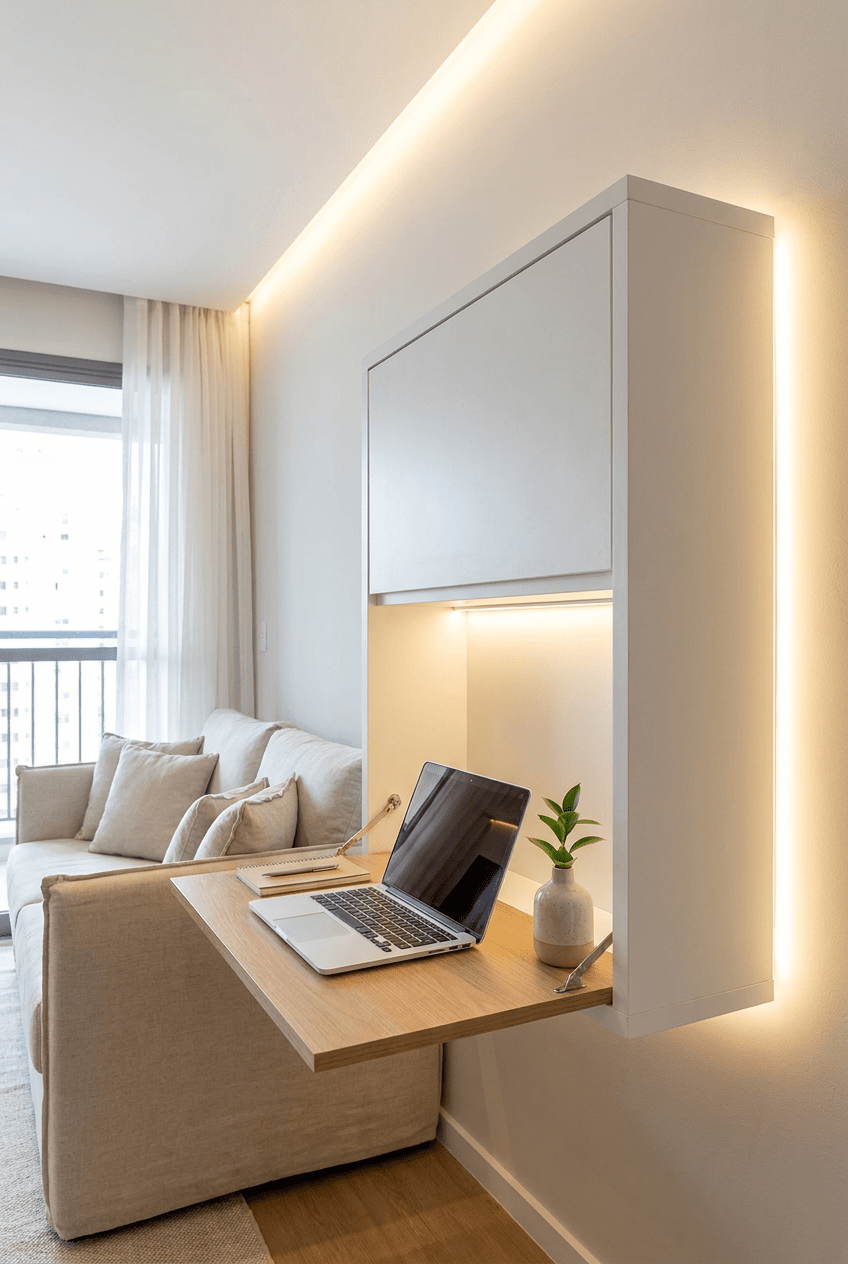
3. A Wall-Mounted Fold-Down Desk That Disappears When Work Is Done
For apartments where floor space is the primary constraint and a permanent desk footprint feels like too much to give up, a wall-mounted fold-down desk is the most space-intelligent solution available. Mounted to the wall on a piano hinge, the desk surface folds up flat against the wall when not in use, taking up no floor space whatsoever and adding nothing more than a shallow rectangular panel to the wall's visual profile. When folded down for work, it provides a surface typically between twenty-four and thirty-six inches wide that is perfectly adequate for a laptop, a notebook, and the basic items needed for a focused work session. The transformation from closed to open takes five seconds and requires no rearrangement of anything else in the room.
The aesthetic of a fold-down desk in a small apartment depends almost entirely on how the closed surface is treated. Left as plain wood or painted in the wall color for a seamless look, it reads as an intentional architectural detail rather than furniture. Mounted with a small shelf above it that holds a plant and a few objects when the desk is closed, and provides a useful surface level when the desk is open, it becomes a multi-functional wall feature that serves two different purposes throughout the day. Choose a fold-down desk in a finish that complements the rest of the room since it is visible even when closed, and ensure the mounting hardware is rated for the weight you intend to place on it during use. In 2026, fold-down wall desks are available in styles that range from clean Scandinavian wood veneer to contemporary matte black, making it genuinely possible to find one that suits any apartment aesthetic.
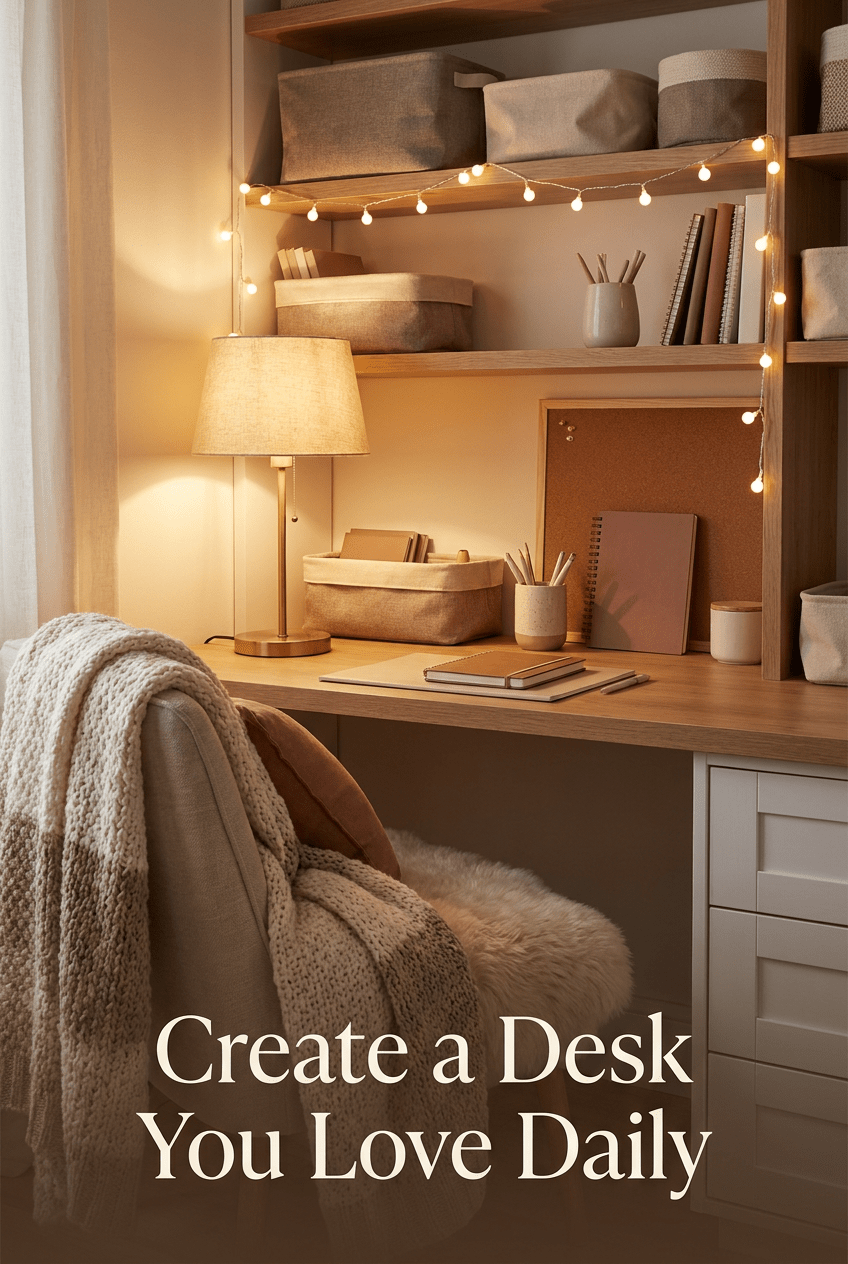
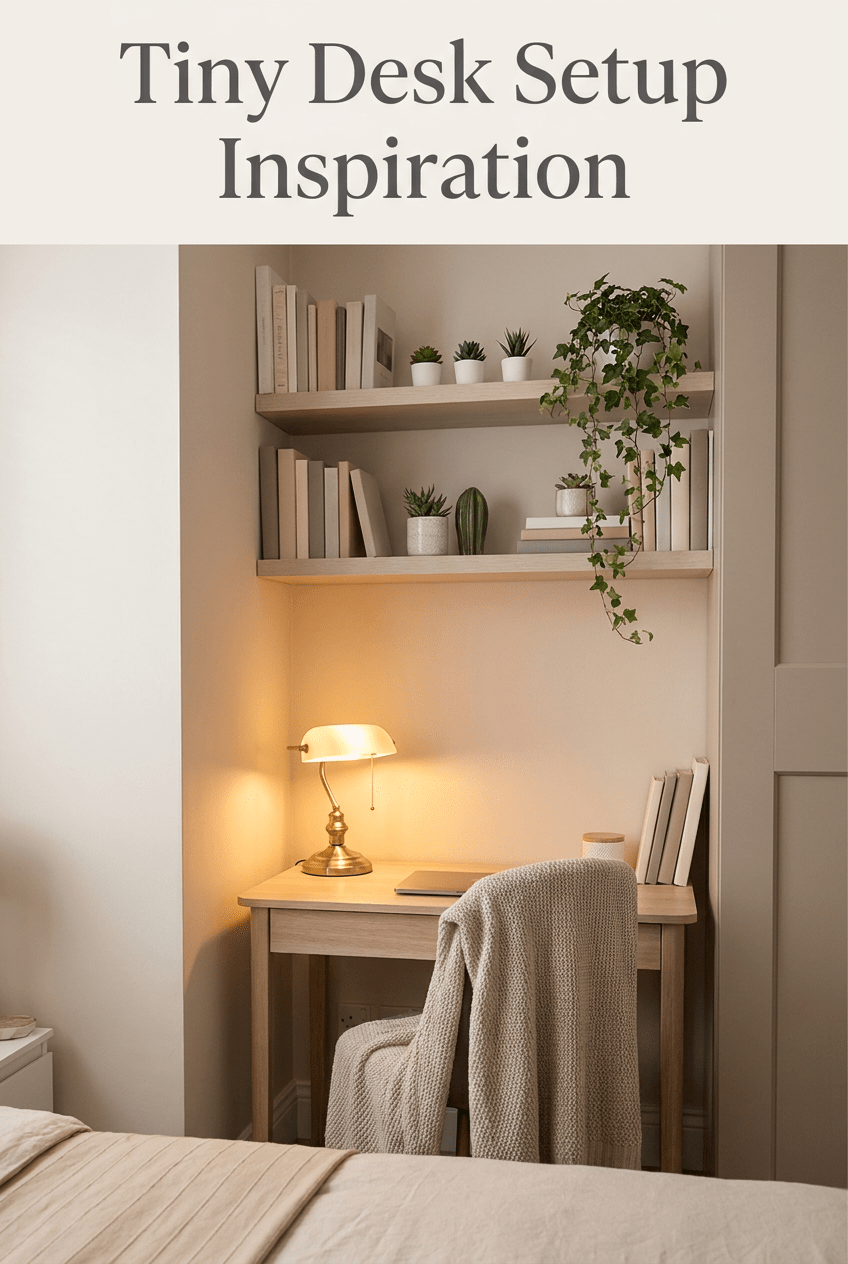
4. The Cozy Alcove Desk Nook With Layered Warm Lighting
If your apartment has a recessed alcove, a shallow niche, or even a slightly deeper doorway that is not being actively used, this is prime desk territory. Fitting a desk into an alcove creates an instant sense of enclosure and definition that open-plan desk placements rarely achieve, and the contained quality of the space is genuinely conducive to focused work because the visual field narrows naturally, reducing the peripheral distractions of the broader room. A slim desk that fits the width of the alcove precisely, styled with shelves above and good lighting on both sides, looks completely custom and intentional, as though the alcove was designed for this exact purpose rather than simply found and used.
The lighting is the element that elevates an alcove desk from a practical necessity into a genuinely cozy and inspiring workspace. A small desk lamp provides task lighting for the work surface. LED strips along the underside of the shelf above cast a warm downward glow. If the alcove is deep enough, a small wall sconce or a plug-in pendant on one side adds an ambient layer that makes the nook feel warm and inviting rather than utilitarian. When all three light sources are on simultaneously and the overhead room light is off, the alcove desk glows with a warmth that makes sitting down to work feel like settling into a genuinely comfortable and personal space. This is the kind of desk setup that becomes a daily ritual rather than an obligation, which is exactly the goal in a small apartment where the workspace and the home exist in the same place.
5. A Slim Console Desk Behind the Sofa for a Dual-Purpose Living Room
In apartments where there is no dedicated wall space for a desk and the floor plan does not offer an obvious home office location, the back of the sofa is one of the most overlooked desk opportunities available. A slim console table positioned directly behind the sofa, where the back of the furniture creates a natural boundary between the living area and the desk zone, provides a workspace that is accessible and functional without consuming any additional floor space beyond what the sofa already occupies. The console table serves as a desk during working hours and as a decorative surface during the rest of the day, with a lamp and a few styled objects making it look like a deliberate design choice rather than a practical workaround.
The key to making the behind-sofa desk setup work is choosing a console table at the right height, which typically means a standard desk height of approximately thirty inches rather than the taller heights some console tables are made in. A chair or stool pulled up to the console when it is time to work, and stored elsewhere in the room when not in use, completes the functional setup without adding permanent furniture to the workspace zone. Cable management is the practical challenge here: keeping cords tidy along the back edge of the sofa using adhesive clips or a cable management tray prevents the setup from looking messy when the desk is not in active use. Solved well, the behind-sofa desk is one of the most genuinely invisible home office setups available, which is a meaningful advantage in a small apartment where the visual separation between work and rest is already limited.
6. A Bookshelf Desk Combo That Provides Storage and a Creative Display
A desk integrated with a bookshelf unit is one of the smartest furniture investments available for a small apartment because it addresses two separate needs simultaneously within a single compact footprint. A freestanding shelf unit that includes a built-in desk surface at the correct working height provides both the display and storage capacity of a bookshelf and the functional workspace of a desk without requiring two separate pieces of furniture and the floor space that each would individually require. The surrounding shelves provide the storage for books, files, supplies, and decorative objects that any creative workspace needs, and because everything is contained within one piece, the setup has a visual coherence and compactness that a desk-beside-a-separate-shelf arrangement rarely achieves.
The creative styling opportunity in a bookshelf desk combo is significant. The shelves on either side of and above the desk surface become a curated display of everything that inspires and informs the work that happens at the desk: art books, reference materials, plants, small objects collected from travels, a speaker, a mood board pinned to the back panel. When the display is edited with intention, the bookshelf desk feels like a genuine creative studio even in a tiny apartment corner. The surrounding shelves also provide natural visual separation from the rest of the room, giving the workspace a zone identity that a standalone desk in an open space cannot achieve as effectively. Choose a unit with open shelves rather than closed cabinets so the display quality remains visible and contributes to the creative atmosphere of the workspace from across the room.
7. A Standing Desk or Adjustable Height Desk for Flexibility Throughout the Day
A standing desk or an adjustable height desk that transitions between sitting and standing positions introduces a level of daily flexibility that a fixed-height desk cannot offer, and for creative work that involves long stretches at the screen, the ability to change position throughout the day makes a meaningful difference to both physical comfort and mental freshness. In a small apartment, the standing desk option works particularly well because it can be positioned against a wall without requiring a chair in front of it at all times, which keeps the floor area in front of the desk clear when the desk is in standing mode and allows the space to function more openly as part of the room during breaks.
Electric adjustable standing desks have come down significantly in price in 2026 and many now come in slim, minimal designs that suit small apartment aesthetics far better than the industrial-looking options that were common in earlier years. For the most space-efficient version of this setup, pair a wall-mounted adjustable desk with a bar stool that slides underneath the desk when not in use, keeping the floor completely clear. Alternatively, a lightweight folding chair that can be stored flat against the wall when the desk is in standing position gives the same spatial flexibility without any wall installation required. The standing desk is one of those workplace upgrades that genuinely improves the daily experience of working from home once you have tried it, which makes it worth prioritizing even in a very compact apartment.
8. A Bedroom Desk Nook Defined by a Small Rug and Warm Lighting
For apartment dwellers where the living room serves too many other purposes to carve out a consistent desk zone, the bedroom is the natural alternative, and when the desk setup is styled thoughtfully it does not disrupt the restful quality of the bedroom space. The key to a successful bedroom desk setup is defining the workspace clearly enough that the brain learns to associate it with focused activity rather than rest, even though both happen within the same room. A small rug placed under the desk chair, distinct from the main bedroom rug if there is one, creates a visual zone boundary at floor level that helps establish this psychological separation. Combined with a dedicated desk lamp that provides task lighting separate from the bedroom's ambient lighting, the desk zone begins to feel like its own defined space within the room.
The styling of the bedroom desk should balance the functional requirements of a workspace with the calming, personal quality of a bedroom environment. A small plant on the desk surface, a simple corkboard or a narrow shelf above for pinning references and displaying a few meaningful objects, and a clean desk surface that is cleared at the end of each workday rather than left covered in papers and equipment all contribute to a desk nook that serves creative work well during the day without bringing the visual clutter of an active workspace into the bedroom at night. Developing the habit of clearing the desk before leaving it for the day is the single most important behavioral piece of making a bedroom workspace function well for both work and rest, and it is one of those small routines that makes the whole small apartment feel more organized and intentional over time.
A desk setup that sparks creativity daily does not require a large room, an expensive furniture budget, or a dedicated home office space. It requires the right placement, thoughtful lighting, enough personal detail to make the space feel genuinely yours, and a deliberate approach to keeping it clear and functional. Every one of these eight ideas works within the real constraints of a tiny apartment while delivering a workspace that feels worth sitting down at. Choose the setup that best fits your available space and your working style, start with that one change, and see what a difference a workspace you actually love can make to how you feel about showing up for your creative work every single day.